What Goes into an Effective Home Pricing Analysis (And Why It Matters to Sellers)
Why CMA's are crucial to home sellers
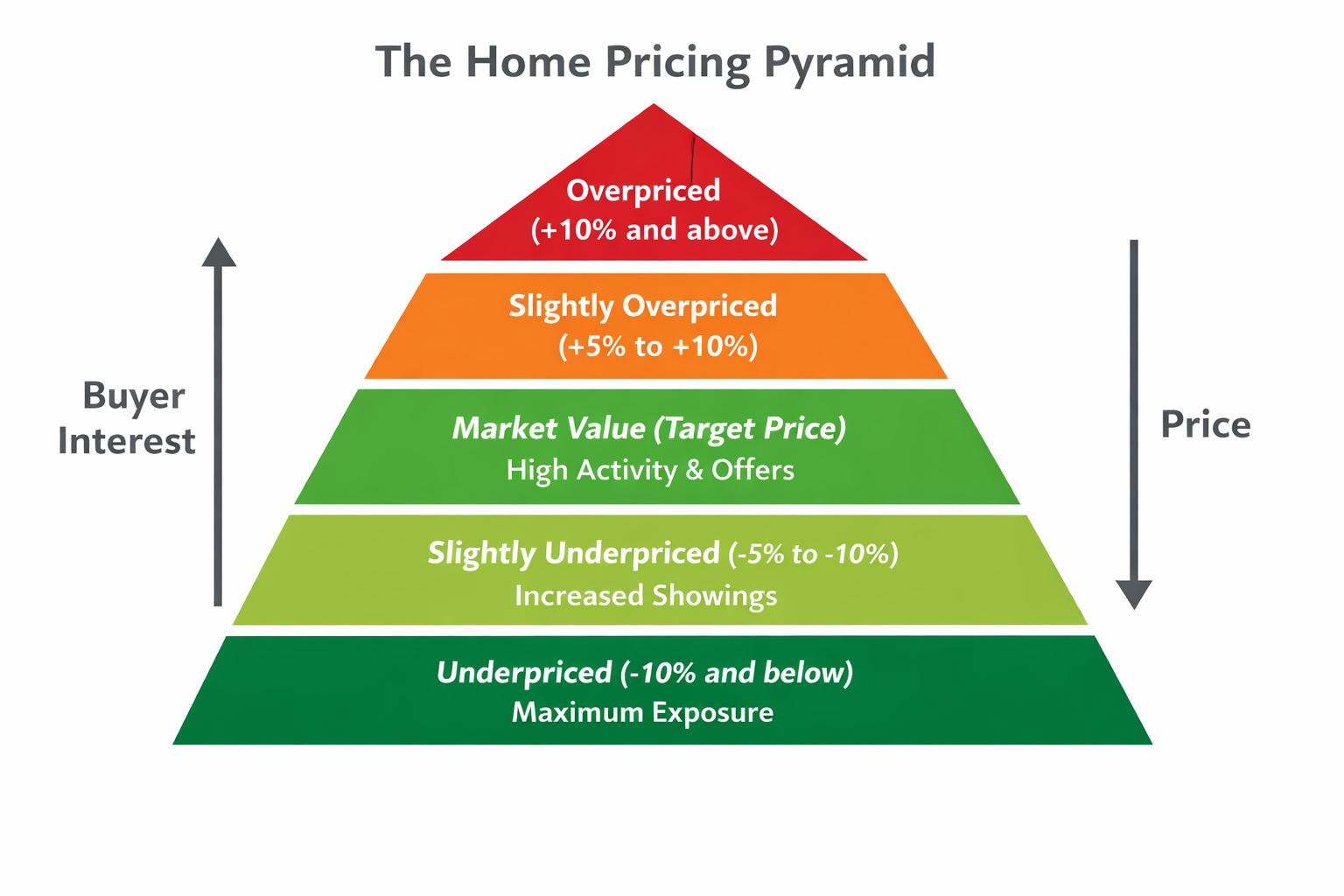
When you decide to sell your home, one of the most important decisions you’ll make is pricing.
Get it right, and your home attracts strong interest, qualified buyers, and competitive offers.
Get it wrong, and even great homes can sit on the market longer than they should.
That’s why a professional pricing analysis is about much more than looking at recent sales it’s about building a strategy that puts you in the strongest possible position from day one.
Here’s what goes into an effective home pricing analysis and how it protects your outcome as a seller.
1. Understanding Your Home First Every home is unique. Before comparing your property to others, a professional analysis starts by understanding what makes your home different.
This includes Size, layout, and condition Upgrades and improvements Lot, location, and surroundings
Features buyers value most in your area This step ensures your home is evaluated fairly and accurately, not lumped into a generic category.
2. Comparing Your Home to the Right Properties Not all sales are equally relevant.
A strong pricing analysis looks at homes that are truly comparable in: Location and neighborhood size and style, condition and quality, timing of sale.
Rather than flooding you with data, the goal is to highlight the most meaningful comparisons so you can clearly see how buyers value homes similar to yours
3. Understanding Today’s Market Conditions Markets change, and pricing must reflect what’s happening now, not months ago.
Your analysis considers:
How long homes are taking to sell
How close sale prices are to asking prices
How much inventory buyers are choosing from
Whether prices are trending up, down, or stabilizing
This context helps set realistic expectations and prevents costly mispricing.
4. Evaluating Current Competition Your home doesn’t compete with homes that already sold, it competes with homes buyers are viewing right now.
A pricing analysis reviews:
Active listings competing for buyer attention Pending sales showing where buyers are willing to agree on price How presentation and condition affect value.
This helps position your home to stand out, not blend in.
5. Making Fair, Logical Adjustments No two homes are identical.
A professional analysis adjusts for differences such as: Square footage Renovation quality Lot size or view Special features like pools or guest spaces.
These adjustments are explained clearly so pricing decisions feel grounded and transparent not arbitrary.
6. Pricing With Buyer Psychology in Mind Buyers don’t just shop by value they shop by price ranges.
A strong pricing strategy considers: Common search thresholds buyers use How pricing impacts online visibility Where competition increases or drops off. The right price can increase interest, drive urgency, and create better negotiating leverage.
7. Reviewing Pricing Strategy
Options Instead of presenting one rigid number, an effective analysis often outlines pricing scenarios, such as:
A strategy focused on speed a strategy aligned with current market value a strategy that tests the upper end with clear risk awareness
This allows you to choose the approach that best matches your goals timing, certainty, or maximum return.
8. Presenting a Clear Recommendation
Finally, all of this information is brought together into a clear, easy-to-understand recommendation.
You should walk away knowing: How your home fits into the market What price range positions you competitively.
Why the strategy makes sense. What to expect once your home is listed.
Clarity builds confidence and confident sellers make better decisions.
The Takeaway for Sellers
An effective pricing analysis isn’t about chasing the highest number. It’s about positioning your home correctly so the market responds favorably.
When pricing is done right: Your home attracts stronger buyers.
Showings and interest happen faster. Negotiations improve. You reduce the risk of price reductions later
Pricing is strategy and it’s one of the most powerful tools you have when selling your home.
Related Articles
Internet Lead Conversion in Real Estate: Why Most Agents Struggle (and How to Fix It)
Most real estate internet leads don’t fail because of quality — they fail because of the decisions made after the lead arrives. This article breaks down where internet lead conversion actually goes cold, why follow-up systems fall short, and how top agents consistently convert the same online leads at higher rates by making better decisions at the right moments.
Why Most Real Estate AI Tools Don’t Actually Change Agent Behavior
AI VS Realtor Habits
AI for Real Estate vs Traditional Marketing: Why Conversion Matters More Than Content
AI for Real Estate
Subscribe to Our Blog
Subscribe to receive new blog posts from Conversion Realtor directly in your inbox.
No spam. Unsubscribe anytime.
This article is part of our real estate conversion intelligence framework — the discipline of making better decisions at every stage of a real estate transaction. See how it applies to lead follow-up and other critical decision moments.